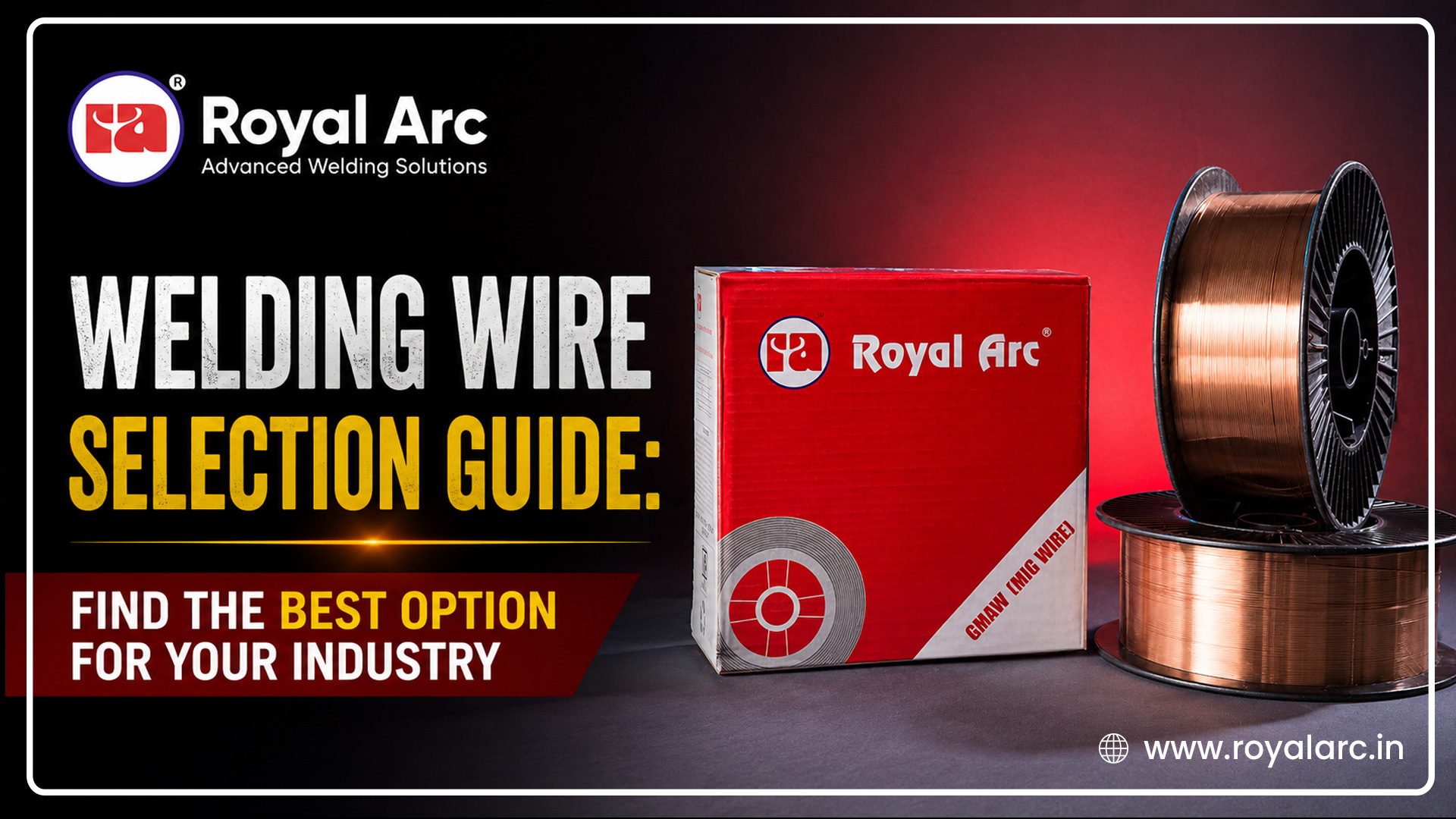
Every strong weld requires more than just a machine. The right material and the right selection are equally important. For this reason, more attention is paid to the selection of welding wire for welding.
Sometimes a small selection mistake causes huge production loss. The wrong wire can cause weak joints and additional rework. At the same time, the right welding wire can improve both production and quality.
Today, industrial needs have become more complex than ever. Each sector requires a different metal, a different environment, and a different performance. For this reason, the same wire is not suitable for all applications.
In this blog, we will understand what welding wire is. We will also learn the correct selection process and important selection factors.
What is Welding Wire?
Welding wire is a filler material used in the welding process. It helps in creating a strong joint between two metals. During welding, the wire melts and creates fusion. After cooling, it produces a strong and stable weld.
There are different types of welding wires available in the market. Each wire is designed for a specific application and welding process. Some wires are used for precision welding. Some are developed for heavy-duty industrial applications. This is why choosing the right wire is considered very important.
Why Does Choosing the Right Welding Wire Matter?
Choosing the right welding wire isn’t just a technical requirement. It directly impacts project quality and operational costs.
The wrong wire can cause weak penetration and poor fusion, leading to increased repairs and downtime.
The right wire provides stable welding and a better appearance. This can improve productivity and long-term performance.
This difference becomes more important in industrial projects. For this reason, wire selection is considered a strategic decision.
How Does Welding Wire Work in Different Welding Processes?
Welding wire’s role may vary in each welding process. But its basic purpose is to create strong fusion.
- In MIG welding, the wire is fed continuously. This provides a fast and controlled weld.
- In TIG welding, the operator adds the wire in a controlled manner. This process provides a clean finish and precision.
- Flux-cored welding also provides additional protection to the wire. This can improve performance in harsh environments.
That is why it is important to understand the process and wire selection together.
Types of Welding Wire Used in Industry:
Different types of welding wire are used in industry. Each type offers different performance and uses:
- MIG Welding Wire: Useful for fast production and clean welding.
- TIG Welding Wire: Used for precision and controlled finish.
- Flux Cored Wire: Required for heavy-duty and outdoor applications.
- Stainless Steel Wire: Useful for corrosion-resistant applications.
- Alloy-Based Wire: Used for special industrial requirements.
The correct wire type should be selected according to the application.
Factors to Consider While Selecting Welding Wire
Before choosing the right welding wire, it’s important to understand some important considerations. Ignoring these factors can impact performance.
Key points to consider:
- Base metal compatibility
- Required weld strength
- Application environment
- Welding process type
- Productivity requirement
- Long-term maintenance goals
It’s best to consider all these factors together before making a selection.
How to Choose Welding Wire Based on Material Type?
The same welding wire is not used for every metal. Material compatibility is the basis of correct welding.
- Carbon steel applications require different types of wire.
- Stainless steel projects require a different composition.
- High-temperature applications require special wire selection.
- Corrosion-resistant applications require a different solution.
If the material matching is correct, the weld performance is better.
Storage and Handling Tips for Welding Wire
Even good welding wire can be affected by improper storage. This is why handling and storage must be taken seriously. Always store welding wire in a dry and clean place. Moisture can affect many welding applications. Keep packaging closed and safe until use. Avoid damaging the wire surface during handling. Proper storage maintains product life and performance.
How to Identify High-Quality Welding Wire?
There are many types of welding wire available on the market. But not all wires provide the same quality.
High-quality wire provides stable performance. Its surface and finish are more consistent.
Packaging and manufacturing consistency are also important indicators. Reliable manufacturers pay more attention to quality control. These indicators can help guide better product selection.
Why Choose Royal Arc for Welding Wire Solutions?
Royal Arc is a trusted brand in the Welding Wires Manufacturers. The company develops solutions for various industrial needs.
Royal Arc focuses on quality, consistency, and performance. Every solution is designed keeping in mind the usage and requirements.
The company provides a stable supply and superior customer support. It focuses on building long-term industrial partnerships.
If your goal is to achieve reliable welding performance, choosing the right partner is equally important.
Conclusion
Choosing the right welding wire isn’t just a purchase decision. It determines quality, productivity, and project success. Every industry has different needs. Therefore, wire selection should be application-based.
Make your selection after understanding the material, process and performance. This approach may give better results in the long run. Royal Arc is committed to providing the best welding solutions to the industry. Choose the right welding wire and make your next project stronger.