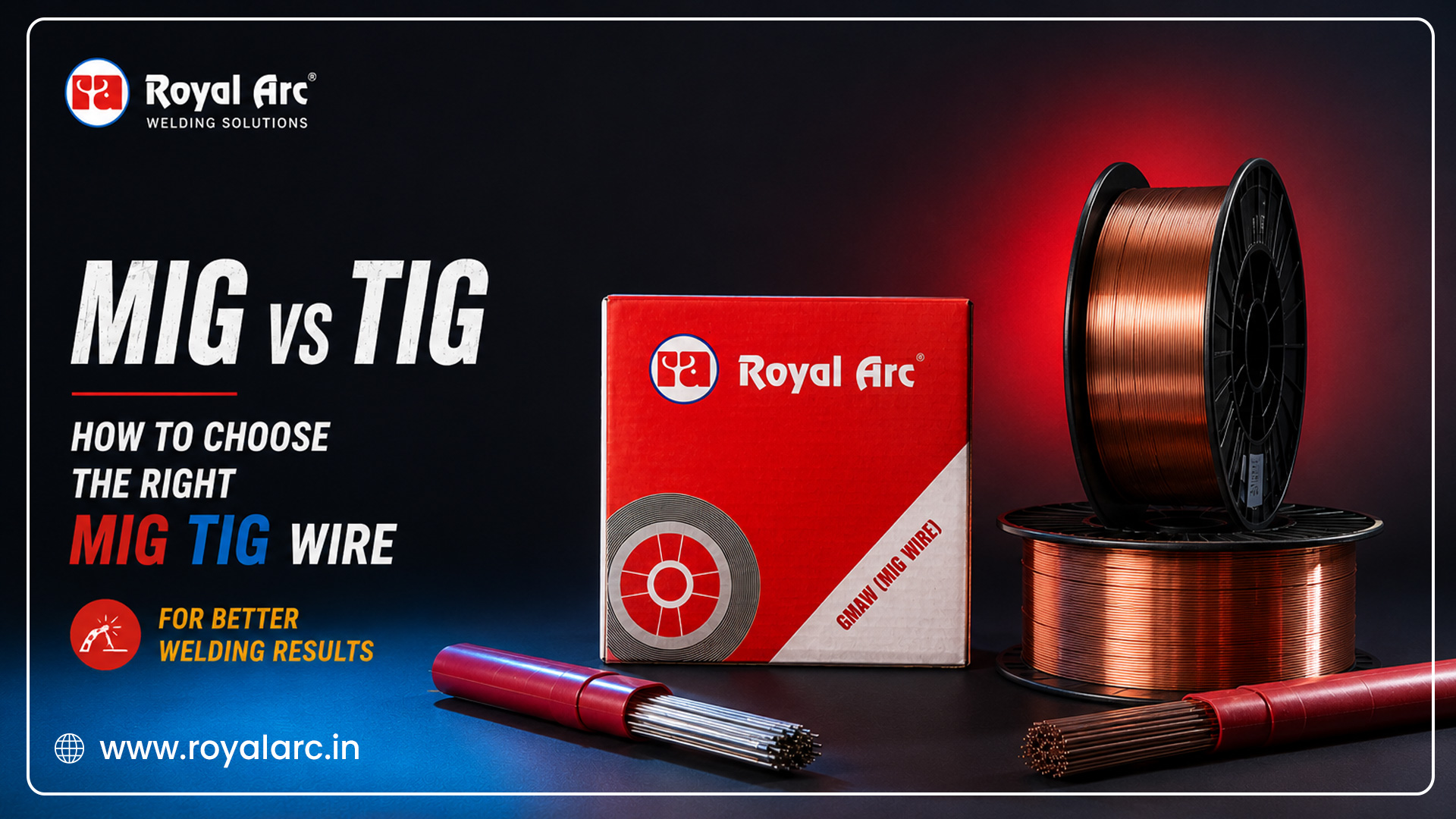
Welding quality depends on more than just the machine or the operator’s skill. The type of welding wire you choose also plays a major role in weld strength, finish, speed, and long-term performance. Whether the job involves fabrication, repair work, pipe welding, automotive components, or industrial manufacturing, selecting the right MIG/TIG wire can make a clear difference in the final result.
Among the most commonly used welding methods, MIG and TIG welding are widely preferred across industries for different reasons. MIG welding is known for speed and efficiency, while TIG welding is valued for precision and cleaner weld finishes. Understanding how these two processes work can help businesses, welders, and buyers choose the right wire for the right application.
In this blog, we’ll break down the difference between MIG and TIG welding, where each process is used, and how to choose the best MIG and TIG Welding Wire for your welding requirements.
What is MIG/TIG wire?
The term MIG TIG wire refers to the filler wires used in MIG and TIG welding applications. Although both are used in welding, their functions, feeding processes, and applications differ depending on the welding method.
The right wire selection affects the following:
- Arc stability
- Weld penetration
- Bead appearance
- Spatter level
- Corrosion resistance
- Overall weld strength
This is why industries usually prefer to source welding consumables from experienced Welding Wire Manufacturers that offer consistent quality and application-specific products.
What Is MIG Welding?
MIG stands for Metal Inert Gas welding. It is a welding process in which a continuously fed consumable wire electrode is passed through the welding gun. At the same time, shielding gas protects the weld area from contamination caused by oxygen and other atmospheric elements.
In MIG welding, the wire acts as both the electrode and filler material. The process is fast, efficient, and commonly used for thicker materials or projects where productivity matters.
How MIG Welding Works
During Metal Inert Gas Welding:
- A continuous Metal Inert Gas Welding wire is fed through the welding torch
- An electric arc forms between the wire and the base metal
- The wire melts and fills the joint
- Shielding gas protects the molten weld pool
Because the wire feed is continuous, MIG welding is often faster than TIG welding and is widely used in workshops, repair facilities, and manufacturing plants.
Benefits of MIG Welding
1. Faster Welding Process
MIG welding is suitable for jobs that require speed and higher output. Since the wire is continuously fed, it reduces downtime and helps complete welding work more quickly.
2. Easier to Learn and Operate
Compared to TIG welding, MIG welding is generally easier to handle. This makes it a practical option for regular fabrication and repair work.
3. Works Well on Thick Materials
MIG welding consumables are commonly used for larger metal sections and thicker materials that require strong penetration and solid bonding.
4. Suitable for Industrial Production
For fabrication shops, automotive units, and engineering industries, the MIG/TIG wire selection often starts with MIG when the focus is on productivity and cost-effective welding.
Common Applications of MIG Welding
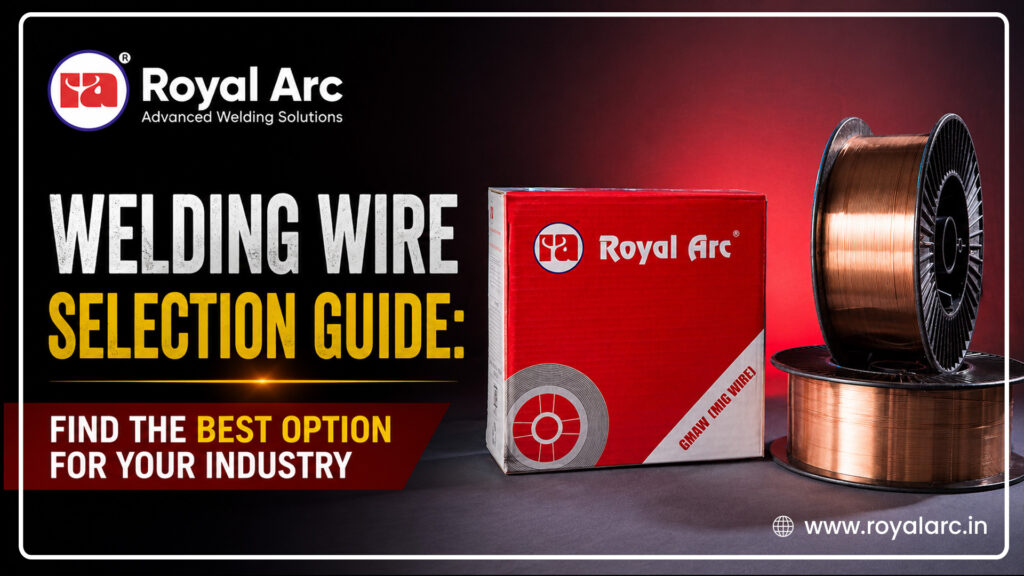
MIG Welding Wire is commonly used in:
- Automotive repairs and manufacturing
- Trailer hitches and body fabrication
- Construction welding
- Pipe welding
- Farm equipment repair
- Shipbuilding
- Railway track maintenance
- Metal component repair
In these applications, the quality of Mig Wire directly affects feeding smoothness, arc performance, and weld consistency.
What Is TIG Welding?
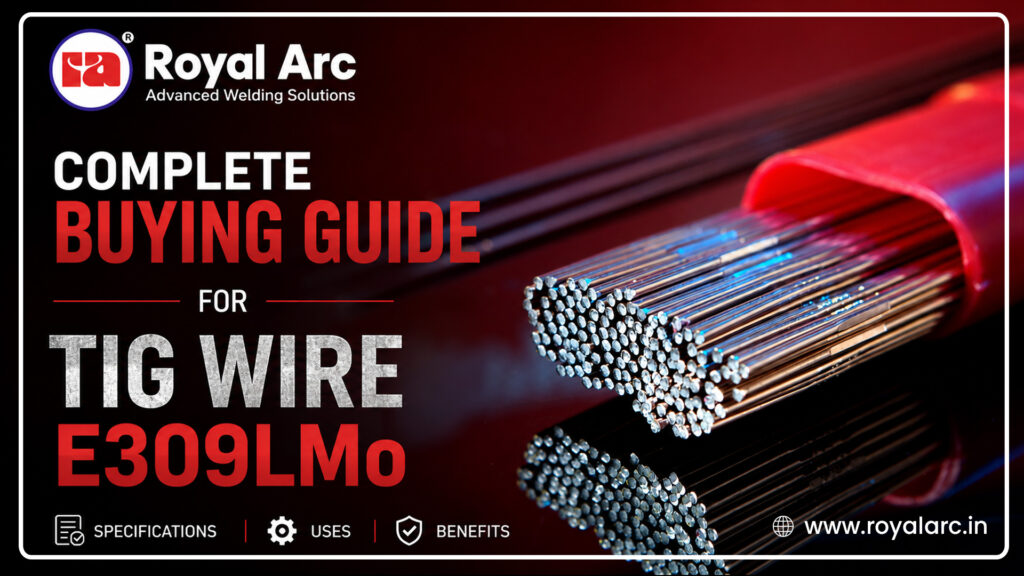
TIG stands for Tungsten Inert Gas welding. In this process, a non-consumable tungsten electrode is used to create the arc. If filler material is required, it is added separately. Tungsten Inert Gas Welding is slower than Metal Inert Gas Welding Wire, but it offers excellent control, precision, and cleaner weld finishes.
It is widely used for thin materials, visible weld joints, and critical industrial applications where weld appearance and strength both matter.
How TIG Welding Works
In Tungsten Inert Gas Welding :
- A tungsten electrode creates the welding arc
- Heat melts the base metal in a controlled way
- Filler material may be added separately if required
- Shielding gas protects the weld area
Since the tungsten electrode does not melt like a MIG wire, TIG gives the welder more control over the weld pool and heat input.
Benefits of TIG Welding
1. Clean and Precise Welds
Tungsten Inert Gas Welding is known for smooth and neat weld finishes, making it ideal for jobs where appearance is important.
2. Better Heat and Filler Control
Because filler is added separately, TIG welding offers greater control over the weld bead and penetration.
3. Ideal for Thin Metal Sections
TIG welding is often preferred for thinner metals and delicate fabrication work where excess heat can damage the material.
4. High-Quality Weld Finish
For projects that require visually clean, high-strength welds, MIG TIG wire planning often designates TIG as the preferred process.
Common Applications of TIG Welding
Tungsten Inert Gas welding is used in:
- Aerospace components
- Bicycle frames and parts
- Automotive body parts
- Stainless steel fabrication
- Pipe and tube welding
- Ship components
- Nuclear-related applications
- Consumer products with visible weld joints
In these areas, the right Tig Wire helps deliver strong, corrosion-resistant, and visually clean welds.
MIG vs TIG Welding: Key Differences
Although both processes are effective, they are designed for different welding needs. Here’s a simple comparison:
1. Speed
Metal Inert Gas Welding is faster because the wire is continuously fed through the machine. Tungsten Inert Gas Welding is slower because it requires more manual control.
2. Ease of Use
MIG is generally easier for operators and suitable for high-volume work. TIG requires more skill and precision.
3. Weld Finish
Tungsten inert gas welding offers a cleaner and more refined finish. MIG welding provides strong welds quickly, though some finishing may be needed.
4. Material Thickness
MIG works better for thicker materials and heavy fabrication. TIG is better for thin sections and detailed welding.
5. Cost and Productivity
MIG is usually more cost-effective for large-scale work because of its speed. TIG takes longer but is worth choosing for precision and finish.
How to Choose the Right Mig Tig Wire?
Selecting the right Industrial Welding Wire depends on the type of work you are doing. A few key factors should always be considered:
- Type of base metal
- Material thickness
- Welding environment
- Required weld strength
- Surface finish expectations
- Production speed and volume
- Industry standards and corrosion resistance requirements
For example, if the project involves structural work, automotive repairs, or heavy fabrication, Mig Wire may be the practical choice for speed and efficiency. On the other hand, if the job requires cleaner welds on stainless steel, pipes, or thin materials, Tig Wire is often a better option.
Working with trusted Welding Wires Manufacturers also helps ensure consistency in wire quality, chemical composition, and welding performance.
Why does welding wire quality matter?
Even the best welding process can underperform if the wire quality is poor. Low-grade wire may lead to:
- Inconsistent feeding
- Unstable arc
- Excess spatter
- Poor penetration
- Porosity in welds
- Lower weld strength
High-quality MIG and TIG wire, on the other hand, helps improve weld appearance, reduce defects, and support long-term durability. For industrial applications, this becomes especially important where performance, safety, and repeatability matter.
Looking for Reliable MIG TIG Wire for Industrial Welding?
If you are looking for high-quality MIG TIG wire for industrial welding, fabrication, repair, or manufacturing applications, Royal Arc offers dependable welding wire solutions designed for consistent performance and strong weld quality. As a trusted name among Welding Wire Manufacturers, Royal Arc provides a wide range of MIG Wire and TIG Wire suitable for diverse welding requirements across the automotive, construction, engineering, fabrication, and industrial sectors.
With a focus on quality, durability, and application-based performance, Royal Arc helps businesses choose the right welding consumables for smoother operation, better arc stability, and reliable welding results. Whether you need welding wire for daily production work or specialised industrial applications, our team can help you find the right solution for your requirements.
Get in touch with Royal Arc today to explore our range of MIG and TIG welding wires and find the right fit for your welding application.
Conclusion
MIG and TIG welding both play an important role in modern fabrication and industrial welding, but the right choice depends on the job at hand. MIG welding is a strong option for faster production, thicker materials, and regular fabrication work, while TIG welding is better suited for precision, clean finishes, and high-quality visible welds.
Choosing the right MIG TIG wire is just as important as selecting the welding process itself. The right wire improves welding efficiency, weld quality, and long-term performance. For businesses seeking consistency in welding applications, investing in high-quality welding consumables from a trusted brand can make a real difference.
FAQ
What is the difference between MIG and TIG welding?
MIG welding uses a continuously fed consumable wire and is generally faster, while TIG welding uses a non-consumable tungsten electrode and offers better precision and cleaner weld finishes.
Where is Mig Wire commonly used?
Mig Wire is widely used in automotive repairs, construction, heavy fabrication, equipment repair, shipbuilding, and general industrial welding applications.
Is Tig Wire suitable for thin metal welding?
Yes, TIG wire is commonly used for thin metal sections because TIG welding provides better control over heat input and produces neat, precise welds.
Why is wire quality important in welding?
Wire quality affects feeding performance, arc stability, penetration, weld strength, and finish. Poor-quality wire can cause spatter, porosity, and inconsistent weld results.
How do I choose the right MIG TIG wire for my application?
The right MIG TIG wire depends on the base metal, material thickness, welding process, required finish, and application environment. Choosing products from reliable Welding Wires Manufacturers helps ensure better performance and consistent results.