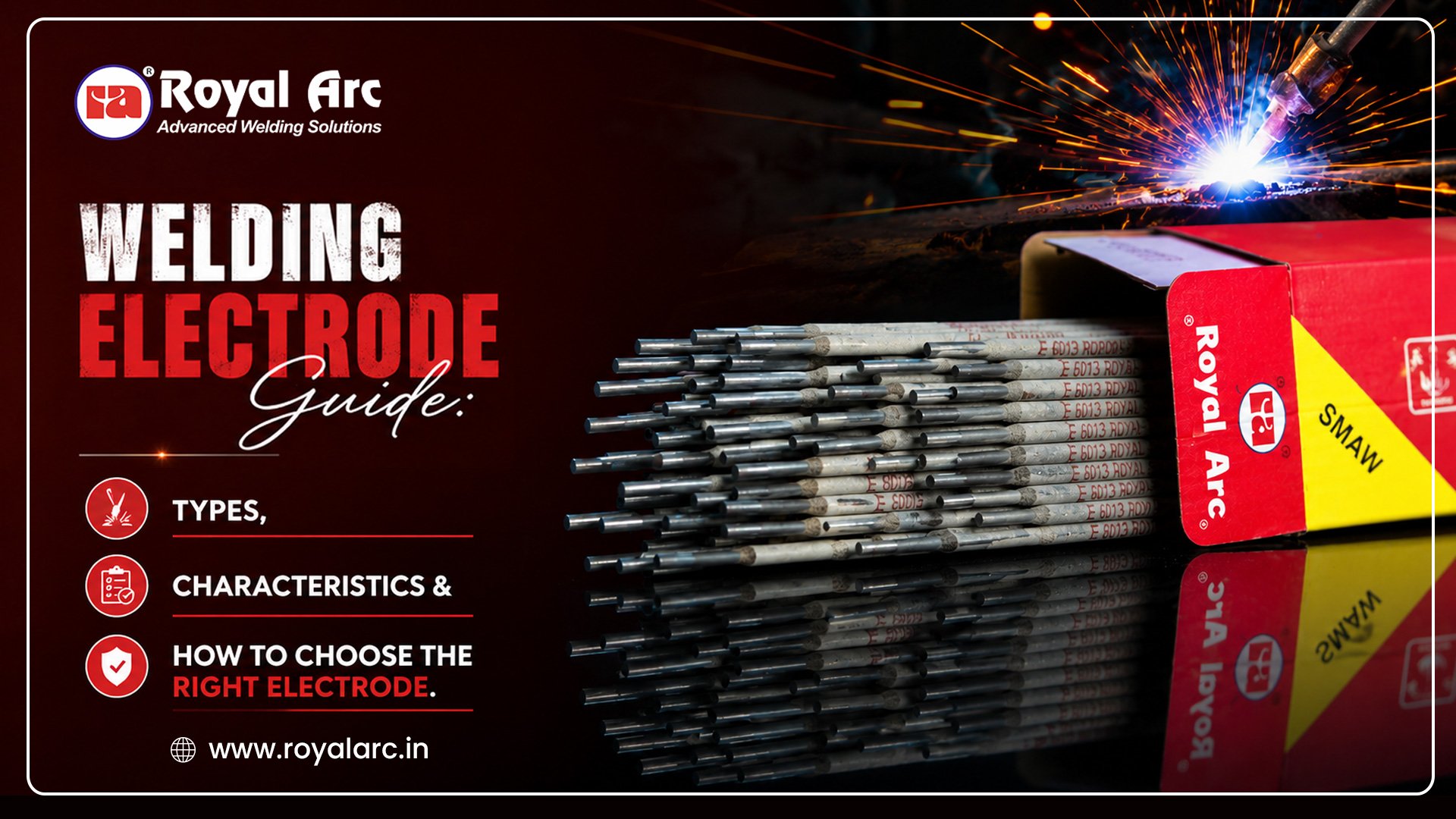
In every welding project, choosing the right Welding Electrode is just as important as selecting the right welding machine. Whether you are working on structural fabrication, industrial manufacturing, pipeline installation, or repair work, the quality and type of electrode directly affect weld strength, finish, and durability.
Professional welders know that different applications require different electrodes. The right selection improves welding efficiency, reduces defects, and delivers long-lasting performance. This guide explains the different types of electrodes, their characteristics, and how to choose the right option for your welding requirements.
What is a Welding Electrode?
A Welding Electrode is a metal rod or wire used to create an electric arc that joins two metal pieces together. During the welding process, the arc generates enough heat to melt the base metal and, in many cases, the electrode itself. As the molten metal cools, it forms a strong and permanent joint.
Depending on the welding process, electrodes are available in consumable and non-consumable forms. Selecting the correct electrode depends on the base metal, welding position, current type, and working environment.
Many experienced Welding Electrode Manufacturers develop products that meet industry standards for construction, heavy engineering, fabrication, automotive, and infrastructure projects.
Why Electrode Selection Matters
Using the correct Welding Electrode offers several advantages:
- Better weld penetration
- Improved arc stability
- Stronger mechanical strength
- Reduced spatter
- Smooth weld appearance
- Better resistance against cracking
- Higher welding productivity
A poor electrode choice can lead to weak welds, excessive defects, and unnecessary rework, making proper selection essential for both quality and cost efficiency.
Why Are Welding Electrodes Coated?
Most welding electrodes are coated with a specially designed flux. This coating performs several important functions during welding.
When molten metal comes into contact with atmospheric oxygen and nitrogen, contamination may occur, affecting weld quality. The coating protects the weld pool while improving arc performance.
Key benefits of coated electrodes include:
- Stable and smooth arc
- Protection from atmospheric contamination
- Reduced welding spatter
- Easy slag removal
- Controlled weld penetration
- Cleaner weld finish
- Improved mechanical properties
This is why reliable Welding Electrode Manufacturers invest in advanced coating technology to ensure consistent welding performance across different industrial applications.
Types of Welding Electrodes
Understanding electrode categories helps welders select the most suitable option for every project.
1. Consumable Electrodes
Consumable electrodes melt during welding and become part of the finished weld joint. They are widely used in Shielded Metal Arc Welding (SMAW) and MIG welding because of their versatility and ease of use.
These electrodes are commonly used in:
- Structural steel fabrication
- Construction projects
- Automotive manufacturing
- Industrial equipment fabrication
- General repair work
Most professional welders rely on this type of Welding Electrode for everyday fabrication tasks.
2. Non-Consumable Electrodes
Non-consumable electrodes do not melt during the welding process. Instead, they generate the welding arc, with a separate filler metal added if required.
The most common examples include:
- Tungsten electrodes used in TIG welding
- Carbon electrodes used in specialised applications
These electrodes are preferred where precision welding and superior weld appearance are important.
Different Coating Types of Welding Electrodes
Coated electrodes are generally divided into three categories based on the thickness of the flux coating.
Light Coated Electrodes
Light-coated electrodes have a thin protective coating that helps minimise contamination during welding. They are suitable for basic fabrication and repair work where heavy shielding is not required.
Medium Coated Electrodes
Medium-coated electrodes are widely used across commercial and industrial projects. They provide better arc control, a smoother bead appearance, and easier slag removal.
Typical applications include:
- Bridge fabrication
- Pipeline welding
- Industrial construction
- Offshore structures
- Heavy engineering
Heavy Coated Electrodes
Heavy-coated electrodes contain a thicker flux layer that generates additional shielding gas during welding. They offer improved protection against atmospheric contamination and deliver excellent weld quality in demanding environments.
These electrodes are often recommended for critical fabrication projects requiring high-strength welds.
How to Choose the Right Welding Electrode
Selecting the correct Welding Electrode depends on several practical factors rather than choosing the same rod for every application.
Consider the following before starting a welding project:
- Type of base metal
- Material thickness
- Welding position
- Required weld strength
- AC or DC compatibility
- Indoor or outdoor working conditions
- Industry standards and specifications
Working with experienced Welding Electrode Manufacturers also helps ensure product consistency and reliable welding performance across different projects.
Why Quality Manufacturing Makes a Difference
High-quality electrodes are manufactured under strict quality control to maintain consistent chemical composition, coating thickness, and mechanical performance.
For industries where weld reliability cannot be compromised, choosing trusted welding rod manufacturers in Mumbai ensures better product quality and dependable technical support.
If you are looking for electrodes that deliver stable arc performance, strong weld integrity, and consistent results, Royal Arc offers a wide range of welding consumables designed to meet the needs of fabrication shops, infrastructure projects, engineering companies, and industrial manufacturers.
Whether your requirement is routine fabrication or specialised industrial welding, selecting quality products from Royal Arc can help improve productivity while reducing welding defects.
Conclusion
Selecting the right Welding Electrode is essential for achieving durable, clean, and high-strength welds. Understanding the differences between consumable and non-consumable electrodes, along with various coating types, allows welders to choose the best solution for every application.
For businesses seeking dependable welding consumables, Royal Arc offers high-quality electrodes designed to deliver reliable performance across multiple industries. If you’re planning your next welding project, explore Royal Arc’s complete product range and find the right electrode for your specific welding requirements.
Frequently Asked Questions (FAQs)
What is the purpose of a Welding Electrode?
A Welding Electrode creates the electric arc needed to join metals and, in consumable welding processes, also acts as the filler material for the weld joint.
What is the difference between consumable and non-consumable electrodes?
Consumable electrodes melt during welding and become part of the weld, whereas non-consumable electrodes mainly generate the arc and usually require a separate filler metal.
Why is flux coating important on welding electrodes?
Flux coating protects the molten weld pool from contamination, stabilises the arc, reduces spatter, improves weld quality, and facilitates slag removal.
How do I choose the right welding electrode?
The selection depends on factors such as the base metal, welding position, current type, material thickness, and the required strength of the finished weld.
Why choose Royal Arc for welding electrodes?
Royal Arc offers reliable welding consumables manufactured for consistent performance, strong weld quality, and dependable results across industrial, fabrication, and engineering applications.