Welding has become an important process in today’s industrial and construction sectors. Welding is required in every sector, like machinery manufacturing, structural fabrication, automobile and pipeline.
But strong and safe welding depends heavily on selecting the correct welding wire, which is crucial for industry professionals aiming for high-quality results.
Welding wire is a means of permanently joining two metals. If the wire quality is not correct, the entire joint can become weak. For this reason, welding wire is considered the backbone of welding in industry.
In this blog, we will understand in detail what welding wire is. We will learn in detail about how welding wire works, its types, uses, and industrial applications. So, let’s move on to the main topic:
What Is Welding Wire?
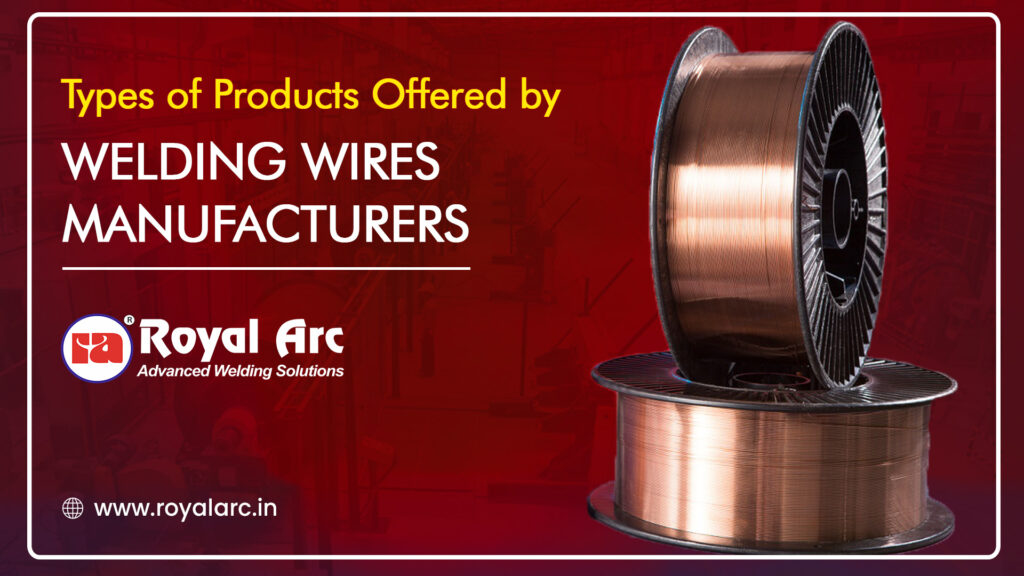
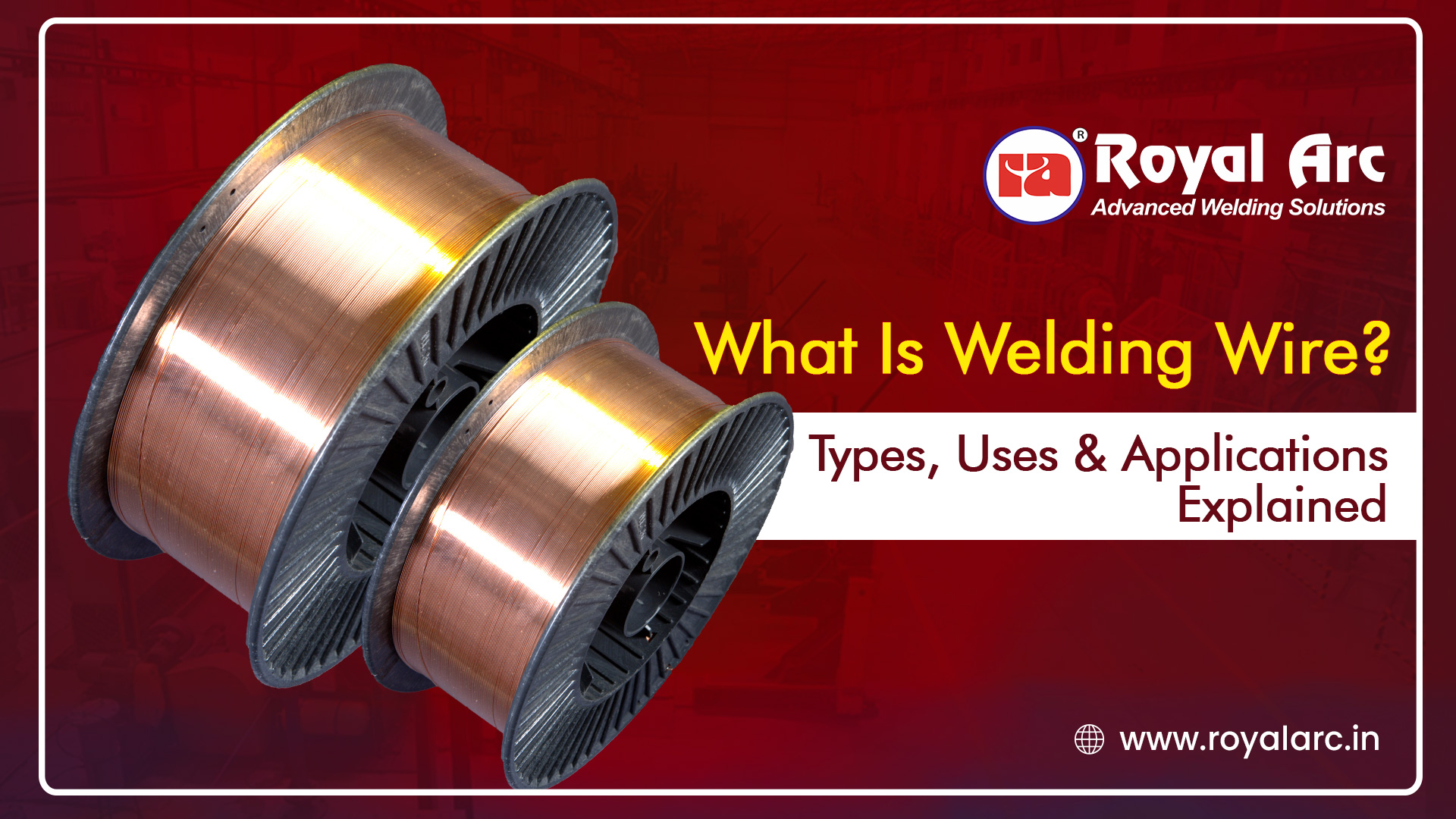
Welding wire is a metal wire used as a filler material in the welding process. This wire melts during welding and acts as a filler between two metal surfaces. The primary purpose of welding wire is to create a strong, uniform, and durable weld joint. The types and composition of welding wire vary depending on the welding process. Some wires are continuously fed, while others are manually applied. Selecting the correct welding wire ensures the strength, finish, and safety of the weld. Therefore, welding wire is not just a consumable, but the most important component of welding.
How Welding Wire Works in Welding Processes?
Welding wire plays an active role during the welding process. When the welding machine is turned on, an electric arc is formed between the welding wire and the base metal. This arc generates intense heat, causing the wire and base metal to melt.
The molten welding wire fills the weld joint and creates a strong fusion. In some processes, shielding gas or flux protects the wire from outside air. As the weld cools, a solid and durable joint is formed. The purity and quality of welding wire play a crucial role in this entire process.
Types of Welding Wire?
Welding wire comes in many types depending on the welding process and application. Each type is designed for a specific purpose.
Welding wire is broadly classified into MIG, TIG, Flux Cored, and SAW wire, each with unique benefits and limitations. For example, MIG wires are ideal for high-speed, clean welding, while TIG wires offer precision for critical applications. Understanding these differences enables professionals to select the most effective wire for their specific welding needs.
The selection of each wire depends on the base metal, welding position, and working environment.
The right type of welding wire makes welding easier, safer, and more effective.
MIG Welding Wire and Its Applications
MIG Welding Wire is one of the most commonly used welding wires. It provides continuous feed and fast welding. Welding with MIG Welding Wire is clean and uniform.
It is used in the automobile industry, fabrication, structural work, and machinery manufacturing. Industries prefer MIG Welding Wire due to its high productivity and low spatter. It is particularly suitable for light and medium-thick metals.
TIG Welding Wire and Its Applications
TIG Welding Wire is used for high-precision welding. The wire is manually fed, providing complete control over the weld.
Welds made with TIG Welding Wire are clean, strong, and beautiful. It is used in welding stainless steel, aluminium, and special alloys.
TIG Welding Wire is widely used in the food industry, chemical plants, and aerospace sectors. Where finish and quality are paramount, this welding wire is the ideal choice.
Materials Used in Manufacturing Welding Wire
- Welding wire is made from various metals and alloys.
- The most common material is carbon steel.
- Stainless steel welding wire provides corrosion resistance.
- Aluminium welding wire is used for lightweight and strong joints.
- Special alloy wire is designed for high-temperature and high-pressure environments.
- Correct material selection determines the strength of the weld and the longevity of the joint.
Uses of Welding Wire in Different Industries
- Welding wire is used in almost every industry.
- In the construction industry, it is used for structure and bridge construction.
- Welding wire is essential for body and frame welding in the automobile industry.
- In the oil and gas industry, it is used for pipeline welding.
- Welding wire is used in the machinery and manufacturing sectors to join heavy parts.
- Its versatility makes it essential in every industry.
Common Welding Problems Caused by Poor Quality Welding Wire
- Poor-quality welding wire can cause several problems.
- Porosity and cracks may appear in the weld.
- The joint may become weak and fail prematurely.
- Sputter increases, and the finish deteriorates.
- The need for rework increases, increasing both cost and time.
Therefore, selecting high-quality welding wire is essential to prevent common problems like porosity and cracks, helping students and professionals feel confident in the reliability of their work.
What to consider when choosing welding wire?
- When choosing welding wire, consider factors like the base metal type, welding position, and environmental conditions to ensure optimal results. Understanding these influences helps in selecting the most suitable wire for your specific application, leading to stronger and safer welds.
- It is important to check the wire’s grade, diameter, and certification, such as ISO or AWS standards, to ensure high quality. Recognising these indicators helps prevent issues like porosity or weak joints, ensuring safer and more durable welds in your projects.
- The working environment and required strength should also be considered.
- Selecting the right welding wire delivers safe and durable results in the long run.
Why Choose Royal Arc for Welding Wire Solutions?
- Royal Arc is a trusted name in the welding industry.
- The company develops high-quality welding wire.
- Every product undergoes rigorous quality testing.
- Royal Arc provides technical support and a stable supply chain to industries.
- Our products are manufactured according to international standards.
This is why Royal Arc is preferred for many industrial projects.
Conclusion
Welding wire is the most critical component of the welding process. It determines the strength, safety, and lifespan of the weld. Choosing the right welding wire ensures the success of any project.
If you want quality and reliable results in industrial welding, choosing the right welding wire is essential. Royal Arc works with this vision to provide high-quality welding solutions to industrie
FAQs
What is the difference between welding wire and welding electrode?
Welding wire is a continuously fed filler material, while welding electrodes are used manually.
How does choosing the right welding wire affect weld strength?
The right welding wire ensures better fusion, deeper penetration, and a longer-lasting weld joint.
Can all welding wire be used with every type of welding machine?
No, welding wire should be selected based on the welding process, machine capability, and base metal.
What problems can poor-quality welding wire cause?
Poor-quality welding wire can cause porosity, cracking, weak joints, and frequent rework.
What should be considered when purchasing welding wire for industrial projects?
Priority should be given to grade, material, certification, brand reliability and the welding requirements of the project.