
Everything you need to know about gas shielded and self-shielded flux cored wires
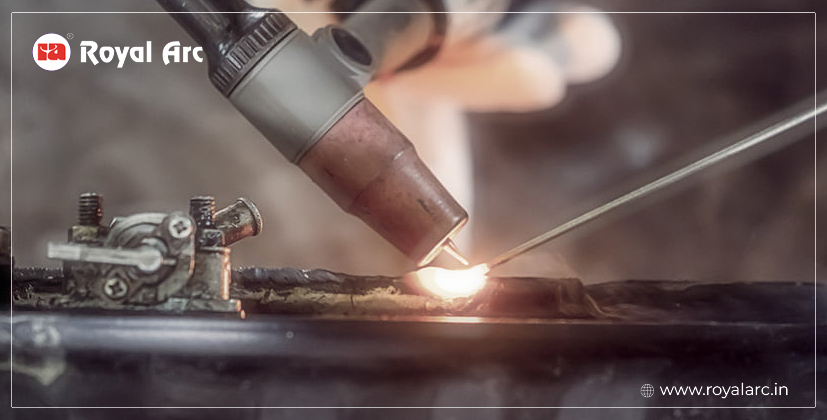
Do you need to weld in difficult-to-reach places or on heat-sensitive metals? If so, then you should consider using flux cored wires as it is beneficial over other welding methods. Some key benefits include: – Reduced distortion of the welded metal – Little to no spatter – Easy joint preparation Gas shielded and self-shielded flux cored wires are two of the most popular types of welding wire available today. We will discuss the differences between gas-shielded and self-shielded flux-cored wires and their benefits. We will guide you in choosing the right type of welding wire for your needs. Overview Gas shielded wires Gas shielded flux-cored wires are made of a metal wire core covered with a flux compound. These wires are often used in construction and industrial applications. Gas-shielded flux cored wires are known for their excellent arc stability, and low spatter levels. Hence, they are ideal for welding in difficult-to-reach places, such as inside a car door or frame. They are also great for welding thin materials because they provide a very strong weld without causing the material to warp. Benefits of Gas shielded flux cored wires: – Provide a much higher deposition rate than solid wires. – Produce less welding fumes than stick electrodes, and the fumes produced are easier to control with ventilation. – Have a very low spatter level, which results in less cleanup time and less rework. – Available in various diameters and packaging types to suit different applications. – Used with either AC or DC power sources, making them versatile for use in different welding environments. Self-shielded flux cored wires Self-shielded flux-cored wires are not as stable as gas-shielded wires, but they have benefits. These wires are easier to use than gas-shielded wires because you do not need to monitor the gas pressure. It makes them ideal for beginners or anyone who does not want to deal with the hassle of setting up and monitoring a gas tank. Another benefit is that they are less expensive than gas-shielded wires. It makes them an excellent choice for budget-conscious welders. If you are looking for an easy-to-use wire that is less expensive, then a self-shielded flux-cored wire is a great option. If you need a more stable wire that provides a stronger weld, then the gas-shielded flux-cored wire is the way to go. Benefits of self-shielded flux core wires There are several benefits of using self-shielded wires. It helps in a wider range of applications than other wires. It provides better protection against electromagnetic interference (EMI). Also, it improves the performance of electrical equipment by reducing resistance and increasing conductivity. Overall, self-shielded wires offer many advantages and should be considered for any application where EMI protection is required. Gas-shielded flux-cored wires are more expensive than self-shielded, but they offer several advantages. Gas shielded wires produce less smoke and fumes, which are better for indoor welding applications. They also have a higher deposition rate, so you can weld faster with them. Finally, gas-shielded wires provide better penetration and bead appearance. Self-shielded flux cored wire is a good choice if you are welding outdoors or in a well-ventilated area. It’s less expensive than gas shielded wire and easier to use because you don’t need to connect it to a shielding gas tank. A self-shielded wire is available in various sizes and strengths to find the right one for your welding project. Takeaway Now that you know the difference between gas-shielded and self-shielded flux-cored wires, you can decide which is right for your next welding project. Choose the wire that will give you the best results for your application. If you are looking for a flux-cored wire manufacturer, get in touch with us!
Welding Electrodes and Tips to Get the Best Output: A Comprehensive Guide

Welding electrodes are an important part of the welding process. They provide heat and metal to create a weld. Understanding the different types of electrodes is important to understand the best results from your welding electrodes. This comprehensive guide will discuss the different types of welding electrodes and tips on how to use them effectively! Different Types of Welding Electrodes Three types of welding electrodes are bare, coated, and gas-shielded. Each type has advantages and disadvantages that you should consider when choosing the right electrode for your project. Bare Welding Electrodes Bare welding electrodes are the most common type of electrode. They come in various metals, such as copper, aluminium, stainless steel, and steel. Bare electrodes are easy to use and provide good welds. However, they can be more challenging to control than other electrodes. Additionally, bare electrodes produce more sparks and require more power to operate effectively. We recommend starting with a bare electrode if you are new to welding. Coated Welding Electrodes Coated welding electrodes are covered in a material that helps to protect the metal from oxidation. This can be helpful when welding metals susceptible to rust, such as iron or steel. Coated electrodes also provide better arc stability and produce fewer sparks than bare electrodes. However, they can be more expensive and difficult to find than bare electrodes. Additionally, coated electrodes require more power to operate effectively. If you are experienced with welding, we recommend using a coated electrode. Gas-Shielded Welding Electrodes If you are experienced with welding, we recommend using a gas-shielded electrode. Gas-shielded Welding electrodes are surrounded by a gas that protects the weld from contamination. This is helpful when welding metals sensitive to contamination, such as aluminium. Gas-shielded electrodes also provide better arc stability and produce fewer sparks than bare or coated electrodes. However, they can be more expensive and difficult to find than other types of electrodes. Additionally, gas-shielded electrodes require more power to operate effectively. Tips for Using Welding Electrodes If welding with an electrode is too small, you will have to work harder to get the job done right. That’s why it’s important to choose the right electrode for the job. Here are some tips to help you select the best welding electrodes and get the most out of your welds. Here are some tips for getting the best results from your welding electrodes: Choose the correct type of electrode for your project. As we mentioned above, each electrode type has its advantages and disadvantages. Make sure to select the type of electrode that is best suited for your project. Different metals require different types of electrodes. For example, if you are welding stainless steel, you will need a different electrode than working with aluminium. The type of metal you are welding will also affect your welder’s amperage and voltage settings. Consult your welder’s owner’s manual for the proper settings. Electrode Diameter If you are welding thin materials, you need a smaller diameter electrode. Consult your welder’s owner’s manual for the proper electrode size. Set the proper power level Welding electrodes require a certain amount of power to operate effectively. If you set the power too low, the electrode will not be able to create a weld. If you set the power too high, the electrode will overheat and damage the metal. Use proper technique Welding is a skill that takes practice to master. Make sure to use proper technique when using welding electrodes. If you are unsure how to weld properly, we recommend getting help from welding electrode manufacturers. Electrode tip style Choose an electrode tip style compatible with your welder. The most common tip styles are E-series (for AC welders) and T-series (for DC welders). Check the manual to determine the suitable electrode tip style. With theseThese tips will help you select the best welding electrodes for your next project. Welding electrodes are an important part of any welder’s toolkit. By following these tips, you can be sure to choose the right electrode for the job and get the most out of your welds. If you want more information on welding or welding supplies, check out our website or give us a call today.
All You Need to Know About Flux Cored Wires: Different Types and Applications

Regarding welding, flux cored wires are one of the most popular options. This blog post will discuss different types..
6 Factors to Consider When Choosing Flux-Cored Wires for Your Project
When it comes to choosing flux cored wires for your project, there are a few factors you need to take into account.
Flux cored wires: How to choose the perfect one for your project.
Flux cored wires are a popular choice for welding. However, the secret for efficient execution lies with the appropriate..
Different welding electrode types, their characteristics and applications

Understanding the most common types of welding electrodes, their properties and applications will help in choosing..
Welding Electrodes application In Oil & Gas Industry

The oil and gas industry uses two types of welding electrodes: consumable and non-consumable. Consumable welding…
Flux-cored wires in the automotive industry
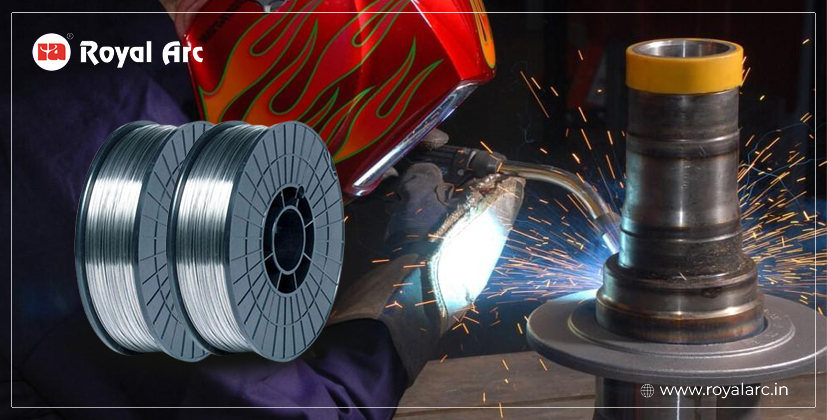
If you are in the business of repairing or welding vehicles, then you know that using the right tools for the job is crucial.
The Difference Between MIG and TIG Welding Wires and When to Use Each One

Beginners need to know about MIG and TIG wire, which are two different welding..
How to Select the Correct Welding Electrode for Your Project

Welding electrodes are an essential component of any welding process. As the source of the arc that melts the base metal..